
Dental Bridges in Glenpool, OK
Restore Your Smile by Replacing Missing Teeth with Confidence

.svg)
Fill the Gap — Reclaim Your Smile
Missing teeth can impact more than just your appearance — they can affect how you eat, speak, and feel about your smile. At Glenpool Dental Group, we offer custom dental bridges to replace one or more missing teeth with a stable, natural-looking solution. Whether you're restoring a recent loss or replacing an older restoration, a dental bridge can help you feel confident again.
What Is a Dental Bridge?
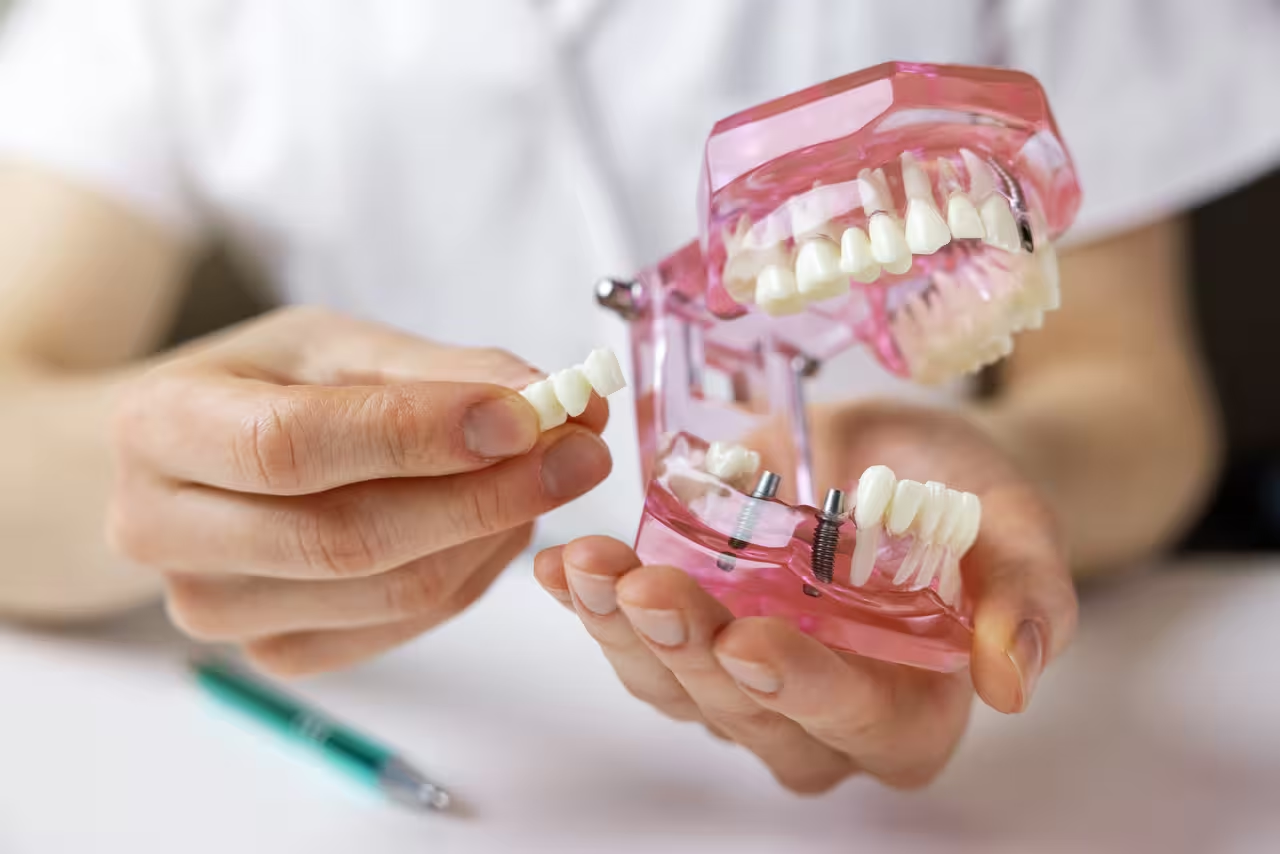
A bridge is a fixed dental restoration that fills the gap left by one or more missing teeth. It typically consists of:
- One or more artificial teeth (pontics)
- Anchoring crowns placed on the natural teeth or dental implants next to the gap
Bridges are permanently cemented in place, meaning they don’t need to be removed like dentures. With proper care, they can last many years and restore both form and function.
When Is a Bridge the Right Option?
A dental bridge may be recommended if you:
- Are missing one or more teeth in a row
- Have healthy teeth or implants on either side of the gap
- Want a fixed alternative to removable partial dentures
- Need to restore bite function and prevent shifting of surrounding teeth
We’ll evaluate your oral health and discuss your full range of options, including dental implants and partials, to determine the best long-term solution for your needs.
Our Bridge Process
Getting a dental bridge is typically completed in two visits:
- Preparation & Impressions: The supporting teeth (abutments) are prepared and digital impressions are taken. A temporary bridge is placed to protect the area.
- Final Placement: Your custom-crafted bridge is fitted, adjusted for bite and comfort, then permanently bonded in place.
We use high-quality ceramic and porcelain materials for bridges that blend beautifully with your natural teeth.
Types of Dental Bridges We Offer
At Glenpool Dental Group, we provide:
- Traditional Bridges: Supported by crowns on natural teeth
- Implant-Supported Bridges: Anchored by dental implants instead of natural teeth
- Cantilever Bridges: Used when only one supporting tooth is available (less common)
Your dentist will recommend the best option based on the location of your missing tooth, your oral health, and long-term durability goals.
Caring for Your Dental Bridge
With good oral hygiene and regular dental checkups, a bridge can last 10–15 years or more. We’ll show you how to care for your bridge, including:
- Brushing twice daily with a non-abrasive toothpaste
- Flossing under and around the bridge
- Using a water flosser or bridge-specific cleaning tools
- Scheduling professional cleanings every 6 months
Insurance, Financing & Membership Discounts
Dental bridges are often partially covered by insurance when used to replace missing teeth. We’re happy to help you verify your benefits and maximize your plan.
We also offer:
- Flexible financing through Cherry, CareCredit, and Alphaeon
- Membership plan discounts on restorative care
- Transparent pricing and payment planning
You’ll receive a full cost breakdown before treatment begins — no surprises.
Proudly Restoring Smiles Across Glenpool and Tulsa County
We’ve helped patients throughout:
- Glenpool
- Kiefer
- Mounds
- Liberty
- Tulsa and the surrounding Tulsa County communities
restore their smiles with beautiful, functional dental bridges. Our patient-first approach ensures that every restoration fits comfortably, looks natural, and stands the test of time.
FAQs About Dental Bridges
Question text goes here
Answer text goes here
How long do dental bridges last?
With proper care, a dental bridge can last 10–15 years or longer. Routine hygiene and exams are essential to protecting the supporting teeth or implants.
Is getting a bridge painful?
No — the procedure is done under local anesthesia, and most patients report little to no discomfort during or after treatment.
Can I eat normally with a dental bridge?
Yes. Once the bridge is in place and you’ve adjusted, you’ll be able to eat and chew comfortably. Avoiding very hard or sticky foods can help protect it.
Are bridges better than implants?
Both options are effective. Bridges are often faster and less expensive, while implants don’t rely on neighboring teeth. We’ll help you compare.
Can a bridge replace more than one tooth?
Yes. A bridge can replace one or several teeth in a row, depending on the health and stability of the supporting teeth or implants.
Still have questions?
Restore the Balance of Your Smile
A missing tooth doesn’t have to define your smile. With a custom dental bridge, you can regain strength, function, and confidence — all with care you can trust.